25 Sept 2026
In logistics, delivery is often seen as the final step. The shipment reaches the destination, the customer receives the goods, and the process looks complete. But in professional international logistics, the real value does not end at delivery. It continues through proper follow-up.
Post-shipment follow-up is the process of checking, tracking, and reviewing what happened after a shipment was completed. It helps logistics teams understand whether the cargo reached safely, whether the customer was satisfied, whether there were any hidden delays, extra charges, customs issues, or service gaps during the journey.
For companies looking for reliable logistics services in Germany, this process becomes even more important. Germany is a destination for global trade, and shipments often involve multiple stages such as documentation, customs clearance, freight movement, warehousing, and final delivery. Without follow-up, businesses may never know where small issues happened or how to avoid them next time.
Follow-up in logistics refers to the continuous monitoring and review of a shipment before, during, and after delivery. It is the practice of staying connected with the shipment process until the customer experience is fully completed.
This may include checking shipment status, confirming delivery, communicating with carriers, reviewing documents, tracking transit updates, collecting customer feedback, and analysing any issues that happened during the logistics process.
In simple words, logistics follow-up means asking: Was the shipment delivered correctly, on time, and without unnecessary problems?
A delivery confirmation only tells us that the shipment reached the destination. But follow-up gives a deeper understanding. It tells us whether the process was smooth, whether the receiver faced any difficulty, whether the cargo condition was good, and whether the final cost matched expectations.
This is why follow-up plays an important role in international logistics. It helps all parties involved stay informed and prepared.
International logistics involves many moving parts. A shipment may pass through exporters, importers, freight forwarders, customs authorities, carriers, warehouse teams, and local delivery partners. If one stage is delayed or poorly handled, the entire shipment experience can be affected.
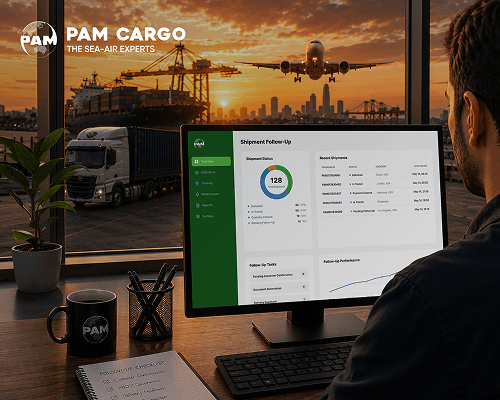
Follow-up helps businesses monitor these stages more clearly. It gives updated information about where the shipment is, what has been completed, and whether any action is needed.
For example, if a shipment is delayed at customs, early follow-up can help identify the missing document or required clarification. If cargo is damaged during transit, follow-up helps record the issue and take corrective action. If a customer receives goods late, follow-up helps understand whether the problem was caused by routing, documentation, carrier delay, or final delivery coordination.
Good logistics solutions in Germany should not only move goods. They should also help businesses understand the complete movement of goods from origin to destination.
Customers want more than delivery. They want confidence.
When a logistics provider follows up after delivery, it shows responsibility. It tells the customer that their shipment matters even after the cargo has reached its destination. This creates trust and strengthens long-term business relationships.
Imagine a customer receives a shipment after waiting for days. If no one checks whether the delivery was smooth, the customer may feel the service ended too quickly. But when the logistics team follows up, asks for feedback, and confirms that everything is fine, the customer feels supported.
This is especially important for businesses shipping regularly to Germany or across Europe. Consistent follow-up helps create a dependable shipping experience and improves customer satisfaction over time.
Every shipment gives useful information. But if no one reviews that information, the same mistakes can happen again.
Maybe the documents were submitted late. Maybe the package labelling was unclear. Maybe the delivery address needed more details. Maybe the chosen freight route was not suitable. Maybe the customer faced unexpected charges.
Post-shipment follow-up helps identify these issues. Once the problem is understood, the next shipment can be planned better.
This is how follow-up supports continuous improvement in logistics. It turns every completed shipment into a learning opportunity.
Many logistics costs come from small errors that repeat over time. Storage charges, re-delivery attempts, customs delays, wrong routing, poor packaging, and urgent last-minute shipping decisions can all increase costs.
Follow-up helps businesses find where these extra costs came from.
For example, if a shipment faced storage charges because documents were incomplete, the next shipment can be prepared earlier. If delivery failed because contact details were wrong, the customer information process can be improved. If freight costs increased because of poor planning, future shipments can be scheduled with more control.
This is where follow-up directly supports cost-effective shipping. It is not only about choosing the cheapest freight option. It is about reducing avoidable costs, improving planning, and making better decisions for future shipments.
Logistics decisions should not be based only on assumptions. They should be based on real shipment experience.
Follow-up helps businesses understand delivery timelines, customs performance, carrier reliability, customer feedback, and cost patterns. This information is valuable for future planning.
For companies using logistics services in Germany, follow-up can help decide which routes are more reliable, which documents need more attention, which carriers perform better, and where delays usually happen.
This makes logistics more predictable. And in international trade, predictability is a major advantage.
At PAM Cargo, logistics is not treated as a one-time movement of goods. It is handled as a complete service journey.
From shipment planning and documentation support to freight coordination and post-delivery review, PAM Cargo helps businesses stay informed at every stage. The goal is to make international shipping smoother, clearer, and more reliable.
With practical logistics solutions in Germany, PAM Cargo supports businesses that want better shipment control, stronger communication, and more cost-effective shipping.
Post-shipment follow-up is more than a simple call or message after delivery. It is an essential part of professional logistics.
It helps confirm delivery quality, improve customer service, reduce repeated errors, control costs, and support better decision-making. For businesses shipping internationally, especially to Germany, follow-up can turn logistics from a basic delivery process into a smarter business advantage.
AWARDS & RECOGNITIONS
Committed to Excellence, Every Step of the Way


Swiss WorldCargo Best Tonnage Producer 2025
PAM Cargo has been recognized by Swiss WorldCargo as Best Tonnage Producer 2025, acknowledging our strong cargo performance, outstanding tonnage contribution, and continued partnership with Swiss WorldCargo.