19 Jun 2026
Shipping costs are one of the biggest challenges for businesses operating in and through Germany. As one of Europe’s largest logistics hubs, Germany plays a critical role in global trade. At the same time, businesses cannot afford delivery delays. When shipments arrive late, it affects customer trust and disrupts the supply chain, and reduces overall profitability.
The good news is that reducing shipping expenses does not have to mean slowing down cargo. With an effective logistics strategy, businesses are able to control costs while keeping shipments on schedule. By using smart solutions such as air and sea freight in Germany, combined transport models, and efficient planning, companies can achieve both speed and savings.
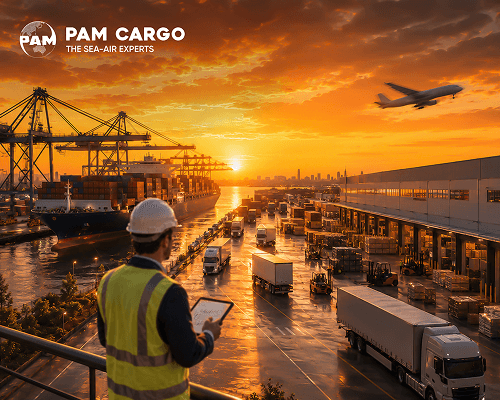
Germany is a central gateway for European and international trade, with major ports, airports, and logistics corridors connecting global markets. While this offers excellent connectivity, it can also lead to higher shipping costs if logistics are not managed efficiently.
Businesses shipping through Germany must balance:
Selecting the most efficient transport modes and planning shipments carefully is essential for cost-effective logistics operations.
Relying solely on air freight or sea freight can significantly increase logistics costs. Air freight is fast but expensive, while sea freight is cost-effective but slower. For many businesses, combining both provides the best solution.
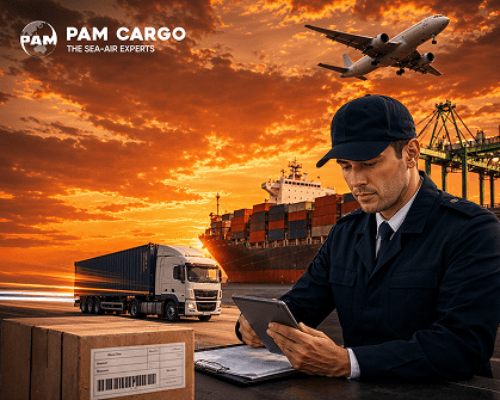
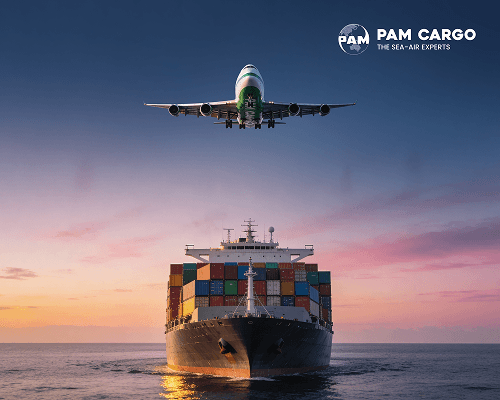
This is where PAM Cargo's air and sea freight in Germany becomes a smart alternative. By moving cargo by sea for the longer leg of the journey and switching to air transport for time-sensitive segments, businesses can reduce freight costs without impacting delivery schedules.
For example, cargo can arrive at a German port by sea and then move by air to its final destination. This approach offers flexibility, efficiency, and better cost control for businesses operating across Europe and beyond.
One of the most common reasons shipping costs increase is last-minute planning. Urgent bookings often force businesses to rely on premium air freight, driving up expenses. Early shipment planning allows logistics providers to:
With proper planning, air and sea freight in Germany can be scheduled strategically rather than used as an emergency option. Even a small amount of additional planning time can open up more affordable shipping solutions without delaying cargo.
Not every shipment requires full air freight speed. Many types of cargo are time-sensitive but still flexible enough to benefit from combined transport solutions.
Sea-air shipping is especially effective for industries such as electronics, automotive components, fashion, and retail. These sectors require reliable delivery timelines but also need to protect profit margins.
By combining sea freight with air transport, businesses reduce dependence on costly air freight while still meeting delivery deadlines. Compared to pure air freight, sea-air shipping offers significant cost savings while remaining faster than sea-only routes.
Inefficient cargo packing and partially filled containers often result in higher shipping costs. Cargo consolidation helps businesses reduce expenses by combining shipments into optimized loads.
For cargo transportation in Germany, consolidation ensures:
When cargo is properly consolidated, transitions between sea and air transport are smoother, reducing delays at ports and airports. This results in smoother operations and better overall efficiency.
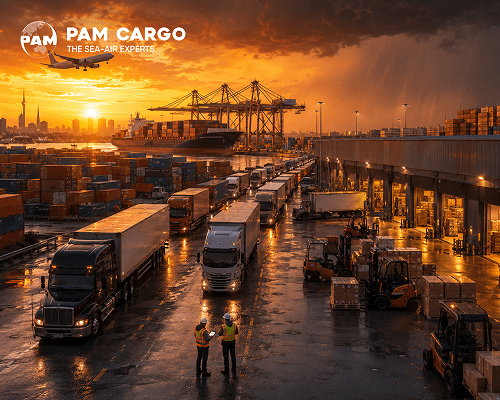
Customs delays are a major cause of unexpected shipping costs. Without proper documentation and coordination, cargo can remain stuck at ports or airports, leading to storage fees and delivery delays.
Fast customs clearance in Germany plays a crucial role in maintaining cost efficiency.
An experienced logistics partner can ensure:
Efficient customs handling prevents unnecessary waiting time and keeps shipments moving as planned, helping businesses avoid hidden costs.
Cost savings are often lost due to poor coordination between different transport providers. When sea and air movements are managed separately, miscommunication can cause delays and increase costs.
A single logistics partner managing air and sea freight in Germany ensures seamless transitions, real-time tracking, and faster issue resolution. End-to-end coordination is especially important for sea-air shipments, where timing between transport modes is critical.
At PAM Cargo, we understand that businesses need cost-effective logistics without compromising delivery timelines. That’s why we design customized solutions for cargo transportation in Germany, using optimized air and sea freight combinations.
Our services focus on:
By minimizing unnecessary air freight usage and optimizing transport modes, we help businesses reduce logistics costs while keeping cargo on schedule. PAM Cargo also integrates sustainable Sea-Air and Land-Air models that reduce fuel consumption and carbon emissions, balancing cost savings with environmental responsibility.
Reducing shipping costs does not have to mean slower deliveries. By choosing the right transport mix, planning shipments early, optimizing consolidation, and ensuring fast customs clearance, businesses can achieve both speed and savings.
For companies operating in or through Germany, working with an experienced logistics partner is key. With PAM Cargo’s expertise in air and sea freight in Germany, efficient cargo transportation in Germany, and reliable customs handling, businesses can move goods confidently and cost-effectively.
If your cargo requires a balance between cost efficiency and timely delivery, smart sea-air solutions may be the right approach. With the right planning and support, shipping smarter in Germany becomes not just possible but sustainable for long-term growth.
AWARDS & RECOGNITIONS
Committed to Excellence, Every Step of the Way


Swiss WorldCargo Best Tonnage Producer 2025
PAM Cargo has been recognized by Swiss WorldCargo as Best Tonnage Producer 2025, acknowledging our strong cargo performance, outstanding tonnage contribution, and continued partnership with Swiss WorldCargo.