10 Jun 2026
The way goods move across borders has changed dramatically over the past decade. What once worked as fixed routes and single transport modes is no longer enough in a market shaped by cost pressure, sustainability goals, and constant disruption. Today’s shippers need logistics strategies that are adaptable, efficient, and future ready. This has led many organizations to transition to multimodal logistics solutions.
Germany, with its advanced infrastructure and central position in Europe, has emerged as a preferred hub for this approach. As supply chains become more complex, multimodal transportation in Germany is helping businesses maintain control while staying competitive.
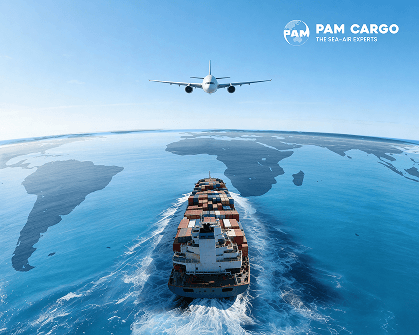
Relying on one mode of transport often limits flexibility. Delays on the road, congestion at ports, or capacity shortages can quickly disrupt delivery schedules. Multimodal logistics offers an alternative by combining different transport modes into one coordinated journey.
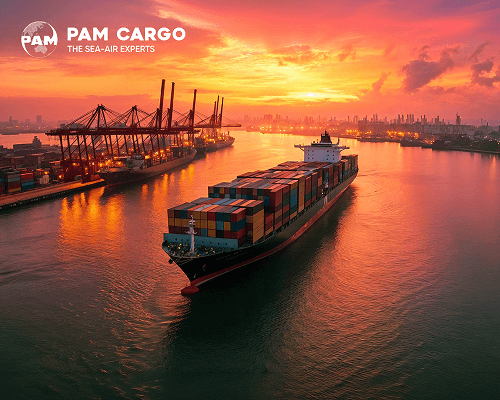
This approach allows shipments to move more smoothly by using rail for long distances, sea for international trade, and road for regional distribution. Many companies now see this as a smarter option, which is why logistics solutions in Germany increasingly focus on multimodal planning rather than traditional methods.
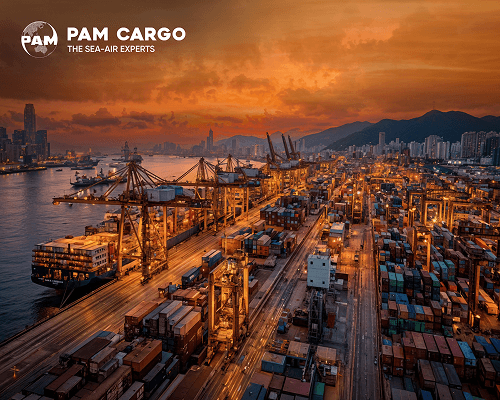
Germany’s logistics strength lies in its connectivity. The country links major European economies and provides direct access to global markets. When businesses choose our multimodal transportation in Germany, they benefit from well-maintained highways, extensive rail networks, modern ports, and efficient air cargo hubs.
This strong infrastructure supports seamless transitions between transport modes, reducing downtime and improving reliability. As a result, Germany has become a key location for businesses seeking advanced end-to-end logistics in Germany.
Transportation costs remain a major concern for shippers. Rising fuel prices, ongoing labor shortages, and infrastructure charges have made logistics planning more challenging than ever. Multimodal logistics solutions help companies respond by selecting the most cost-efficient transport option for each stage of the journey.
Instead of relying solely on road transport, shippers can combine rail or sea freight with road delivery where it makes the most sense. This balanced strategy is one of the key reasons why logistics solutions in Germany are increasingly built around multimodal models.
Handling multiple service providers often leads to communication gaps and operational complexity. End-to-end logistics in Germany addresses this issue by placing responsibility for the entire shipment with a single logistics partner.
From collection and transport coordination to customs clearance and final delivery, end-to-end logistics provides a clear structure and consistent oversight. For businesses managing cross-border trade, this approach reduces administrative workload and improves overall efficiency.
Unpredictability has become a constant in global trade. Weather disruptions, regulatory changes, and capacity constraints can affect shipments without warning. Multimodal logistics solutions offer flexibility by allowing transport plans to be adjusted quickly.
Germany’s strong transport network makes it easier to switch routes or modes when needed. This adaptability is a key advantage of multimodal transportation in Germany, helping businesses keep goods moving even when challenges arise.
Environmental responsibility is no longer optional in logistics planning. Companies are underincreasing pressure to reduce emissions and adopt more sustainable practices. Multimodal logistics solutions support these efforts by shifting freight to transport modes with a lower environmental impact.
Rail and sea transport generate fewer emissions than road transport, making them valuable components of logistics solutions in Germany. By incorporating these options, businesses can align their supply chains with sustainability targets while maintaining performance.
Modern logistics depend on accurate information. Multimodal logistics solutions are supported by digital systems that provide real-time tracking and performance data. This transparency allows shippers to monitor shipments, anticipate delays, and respond proactively.
End-to-end logistics in Germany give businesses full visibility across their supply chain, enabling better planning, clearer stakeholder communication, and more reliable customer service.
As companies expand into new markets, logistics operations must scale accordingly. Multimodal logistics solutions offer the flexibility needed to support growth without major restructuring. Whether serving regional European markets or global destinations, multimodal transportation in Germany provides reliable connectivity.
Germany’s position within Europe and access to international trade routes make it a strategic base for scalable logistics solutions in Germany that can evolve alongside business needs.
The shift toward multimodal logistics reflects a broader change in how businesses approach supply chain management. Today, efficiency, resilience, and sustainability must operate in alignment rather than as standalone priorities. By investing in end-to-end logistics in Germany, companies gain a streamlined, adaptable logistics framework that supports long-term success.
Shippers are switching to multimodal logistics solutions because the traditional approach no longer meets modern demands. With its strong infrastructure and strategic location, Germany offers the ideal environment for integrated logistics planning. If you are looking for a global logistics network in Germany, contact us now.
By adopting multimodal transportation in Germany and comprehensive logistics solutions in Germany, businesses can build supply chains that are efficient, resilient, and prepared for the future.
AWARDS & RECOGNITIONS
Committed to Excellence, Every Step of the Way


Swiss WorldCargo Best Tonnage Producer 2025
PAM Cargo has been recognized by Swiss WorldCargo as Best Tonnage Producer 2025, acknowledging our strong cargo performance, outstanding tonnage contribution, and continued partnership with Swiss WorldCargo.